🏅 ELITE EXPLORER
🧗
Alex Wanderer
@alex.wanderer · Since 2021
⚡ Level 12 · Summit Chaser
47
Trips
22
Gear Items
3,840
km Hiked
Recent Activity
See allCompleted Mt. Blanc Base Trek
3 days ago · 42 km
›
Saved 3 new gear items
1 week ago
›
Completed Pre-Trip Checklist
2 weeks ago
›
Earned "Night Navigator" badge
3 weeks ago
›
My Badges
See all🏔
Summit
Chaser
Chaser
🌙
Night
Navigator
Navigator
💧
Water
Finder
Finder
🔥
Fire
Starter
Starter
❄️
Ice
Breaker
Breaker
🦅
Solo
Eagle
Eagle
🌍
World
Trekker
Trekker
My Gear Locker
Manage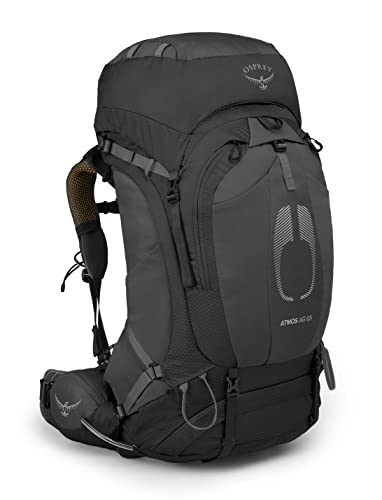
Osprey Atmos AG 65
Osprey · Backpack
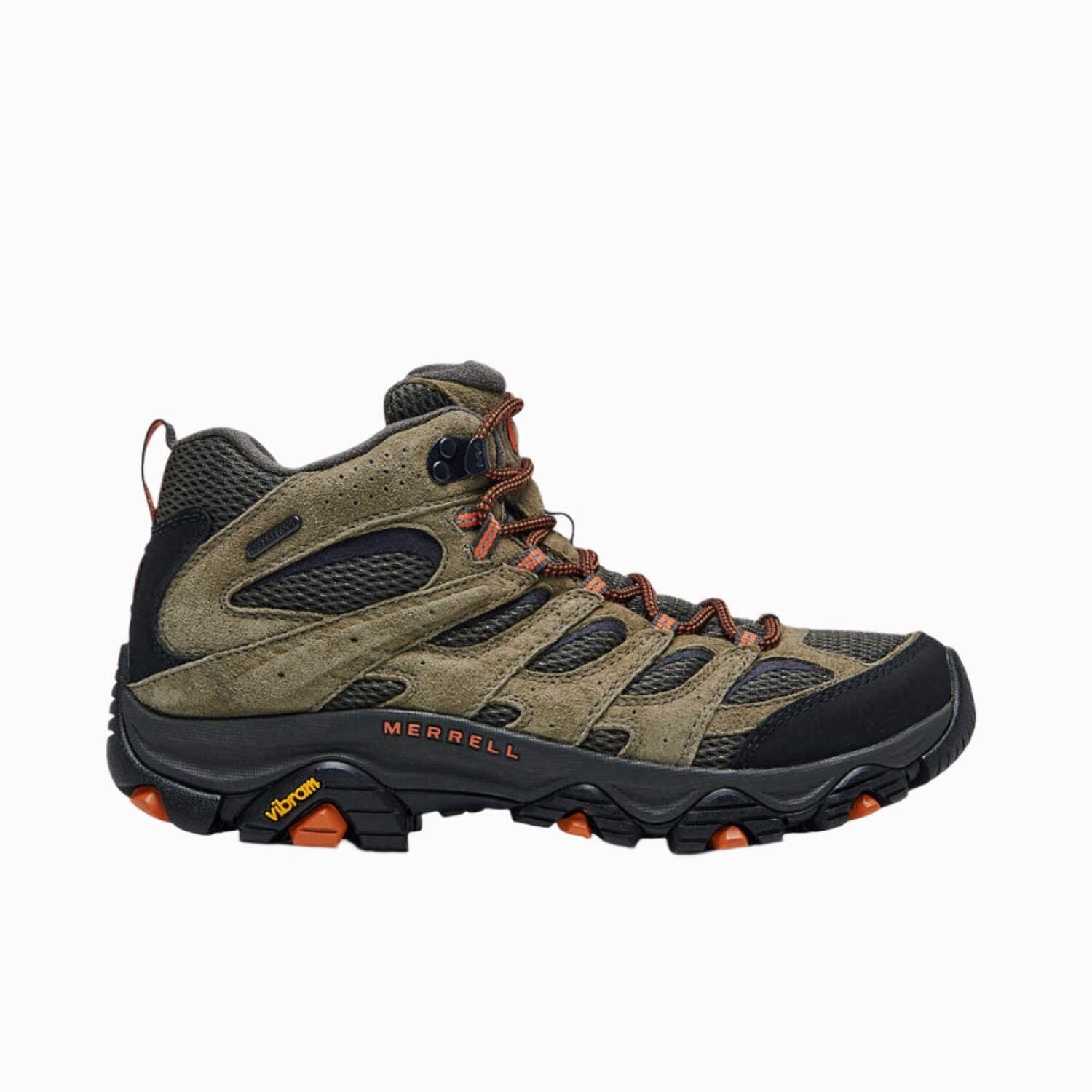
Merrell Moab 3 Mid WP
Merrell · Footwear
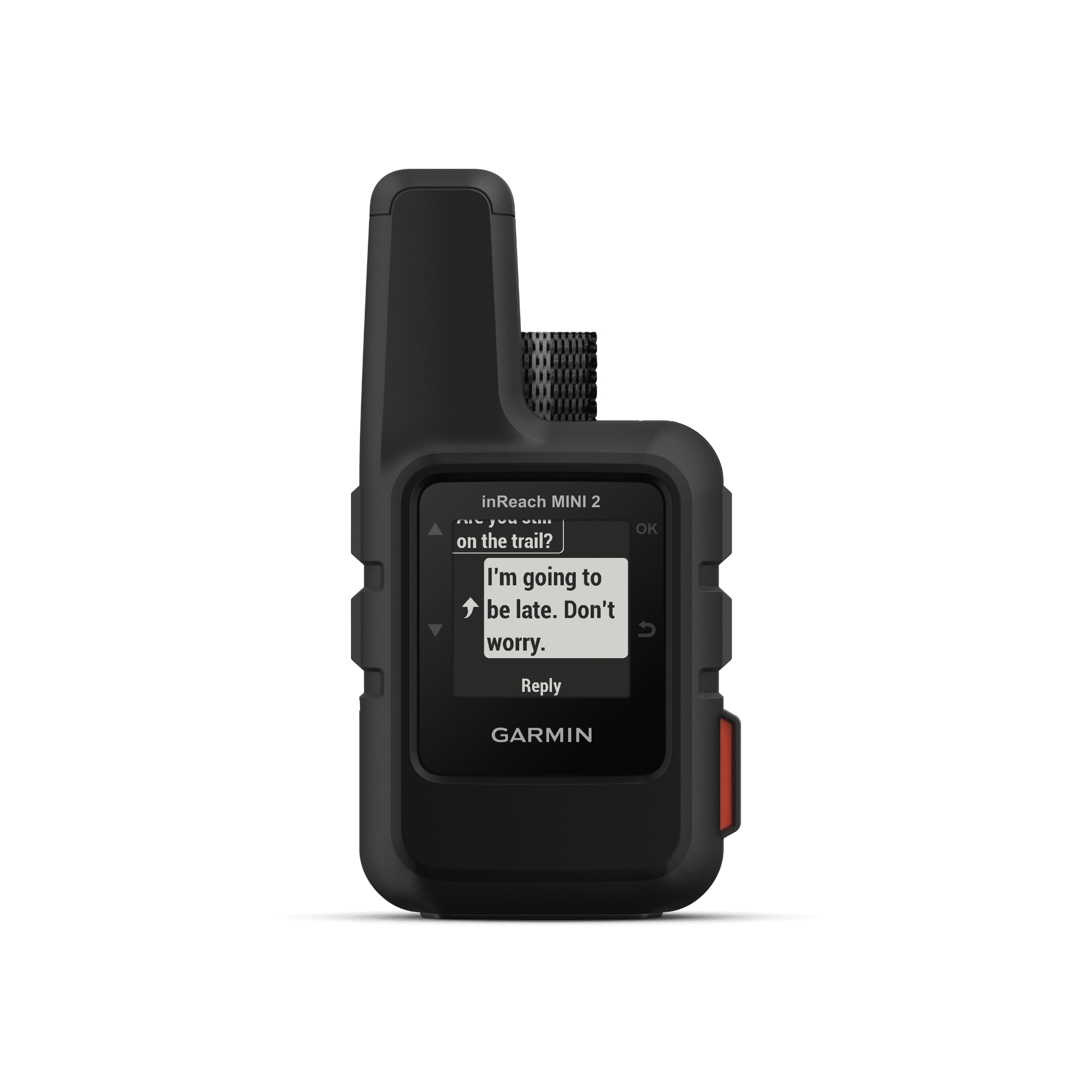
Garmin inReach Mini 2
Garmin · Navigation
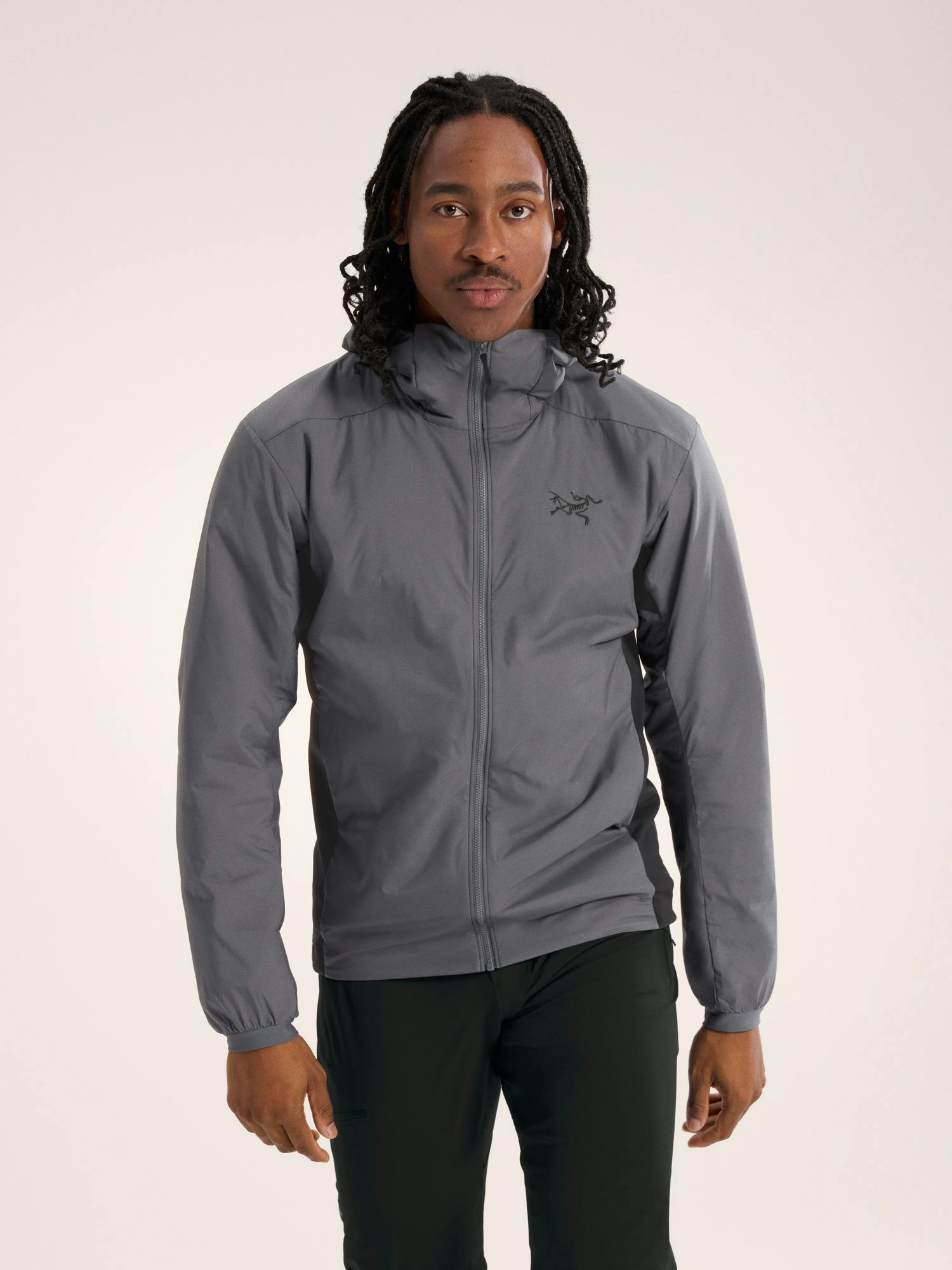
Arc'teryx Atom Hoody
Arc'teryx · Apparel
EXPEDARA PRO
FREE PLAN
Unlimited gear wishlist
Offline expedition guide
Custom route planning
Price drop alerts
Account
Edit Profile
Name, avatar, bio
Units
Metric (km, kg, °C)
Currency
USD — US Dollar
Notifications
Push Notifications
Alerts, deals & updates
Price Drop Alerts
Notify when wishlist items drop
Email Newsletter
Weekly gear & trail updates
App
App Theme
Dark (Expedition)
Offline Mode
Download guide for offline use
Privacy & Data
Manage your personal data
App Version
EXPEDARA v2.4.1
Support
Help & FAQ
Send Feedback
Sign Out